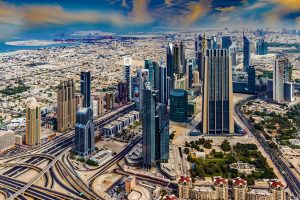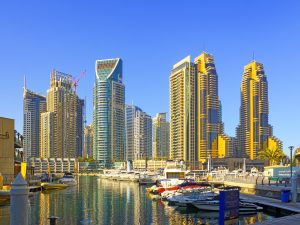
Dubai, the vibrant metropolis of the United Arab Emirates (UAE), has firmly established itself as a global hub for business, tourism, and real estate investment. As it is distinguished for its superstructure, luxurious properties, and progressive economic policies, Dubai attracts investors from all around the globe seeking lucrative opportunities in the real estate market. One of the main reasons why Dubai is a lucrative destination for real estate investors is Dubai’s taxation system. So, in this article, we will delve deeply into real estate tax system in Dubai, exploring the ins and outs of real estate taxes in Dubai.
Dubai’s Diverse Real Estate Landscape
Dubai’s real estate sector, the main cornerstone of its economic foundation, contributes significantly to GDP growth and fosters job creation. The city’s ambitious infrastructure projects, in addition to its world-class amenities and strategic geographical location, have magnetized global investors and high-net-worth individuals alike, all seeking premium real estate opportunities.
Dubai’s property market is amazingly diverse, ranging from lavish waterfront residences on Palm Jumeirah to sophisticated high-rise apartments in the bustling Downtown area, and expansive villas settled in gated communities such as Emirates Hills. This diversity satisfies investor preferences, ranging from residential buyers to commercial developers and institutional investors aiming to capitalize on robust rental yields and substantial capital appreciation.
Unpacking Real Estate Tax System In Dubai
Real estate tax system in Dubai comprises several pivotal components that exert significant influences on property transactions, ownership costs, and investor returns. A nuanced understanding of these elements is indispensable for navigating the complexities of the market and making well-informed investment decisions.
1. Transfer Fees (Dubai Land Department Fee)
When acquiring property in Dubai, purchasers are required to remit a transfer fee to the Dubai Land Department (DLD). This fee is calculated as a percentage of the property’s purchase price and serves as a primary source of revenue for the government.
- Transfer Fee Rate: Typically fixed at approximately 4% of the property’s purchase price.
- Payment Requirements: Due upon the transfer of property ownership to secure unequivocal legal title.
- Purpose: Allocated to defray administrative expenses associated with property transactions and bolster government initiatives.
The transfer fee stands as an indispensable cost that prospective buyers must meticulously factor into their financial planning when strategizing property acquisitions in Dubai.
2. Registration Fees
In addition to the transfer fee, property buyers are charged with registration fees essential for formalizing property transactions and ensuring compliance with Dubai’s stringent regulatory framework.
- Registration Fee Rate: Approximately 0.25% of the property’s purchase price.
- Payment Requirements: Obligatory for registering property transactions with the DLD.
- Purpose: Safeguards the legal recognition and preservation of property ownership rights, thereby ensuring transparency and security for all involved parties.
3. Mortgage Registration Fees
For properties financed through mortgages, buyers are further required to discharge mortgage registration fees aimed at formalizing the mortgage against the property.
- Mortgage Registration Fee Rate: Roughly equivalent to 0.25% of the mortgage amount.
- Payment Requirements: Crucial for legal recognition and registration of mortgages with the DLD.
- Purpose: Safeguards the financial interests of mortgage lenders against the mortgage amount, ensuring robust financial security for mortgage providers.
Value Added Tax (VAT) in Dubai Real Estate
Since its inception in 2018, VAT has emerged as a pivotal determinant in Dubai’s real estate transactions, exerting pronounced impacts on both residential and commercial property acquisitions.
- VAT Rate: Presently set at 5% of the property’s purchase price.
- Applicability: Extends to the majority of residential and commercial property transactions, albeit with specific exemptions for designated residential properties and undeveloped land.
- Impact: Augments the aggregate cost of property acquisition, necessitating meticulous budgeting and financial planning by prospective investors and homebuyers.
The accrued VAT revenues fortify Dubai’s fiscal reserves, contributing substantially to infrastructure development, public amenities, and the diversification of the emirate’s economic landscape.
Additional Costs and Considerations
Beyond the ambit of transfer fees and VAT, investors and homebuyers in Dubai are compelled to reckon with supplementary costs integral to property acquisitions:
- Estate Agency Fees: Traditionally hovering between 2% and 3% of the property’s purchase price, disbursed to real estate agents facilitating property transactions and dispensing invaluable market insights.
- Legal Fees: Subject to variance contingent upon the legal representation enlisted for navigating intricate property transactions, ensuring stringent compliance with statutory obligations and contractual undertakings.
- Maintenance Fees: Applicable to properties situated within gated communities or residential developments, earmarked for the upkeep of communal facilities, amenities, and shared common areas.
These ancillary costs collectively contribute to the comprehensive financial outlay associated with property ownership in Dubai, influencing strategic investment decisions and meticulous financial planning endeavors.
Tax Advantages of Investing in Dubai
- Zero Income Tax: Enjoys a personal income tax exemption scheme that maximizes investment returns and increases disposable income for both residents and investors.
- No Capital Gains Tax: Generally exempts profits from property sales from capital gains tax, fostering a climate conducive to capital investment and fortifying wealth accumulation.
- Stable Legal Framework: Bolstered by a robust legal infrastructure that guarantees transparency, equity, and the enforceability of property rights, safeguarding investor interests and cultivating trust in the real estate marketplace.
These favorable tax incentives, complemented by Dubai’s strategic location, economic resilience, and proactive governmental policies, collectively furnish a propitious milieu for enduring property investment and sustainable economic expansion.
Governmental Initiatives and Future Prospects
Dubai’s governmental entities remain steadfastly committed to introducing and implementing a spectrum of initiatives aimed at enhancing the competitiveness of its real estate market and galvanizing global investment inflows:
- Freehold Ownership: Pioneering initiatives extend freehold ownership rights to foreign investors across designated geographical sectors, broadening market accessibility and catalyzing foreign direct investment (FDI) influxes.
- Expo 2020 Dubai: The esteemed hosting of Expo 2020 has catalyzed far-reaching infrastructural advancements, invigorated tourism prospects, and instilled resounding confidence among investors, precipitating heightened demand across diverse real estate segments.
Navigating Real Estate Tax system In Dubai
Overall, real estate tax system in Dubai is designed to balance the government’s need for revenue generation while fostering an environment that is friendly to real estate investment. Although transfer fees, VAT, and other associated costs may slightly increase the initial acquisition costs, Dubai’s tax-friendly environment, economic dynamism, and progressive policies place it in a leading position for international investors looking for exceptional real estate investment opportunities.
Although real estate tax system in Dubai is not very complicated, navigating it requires a keen understanding of legislative details, good financial judgment, and a sophisticated understanding of changing market dynamics. Hence, It is recommended that investors and stakeholders work with knowledgeable real estate advisors, legal specialists, and financial consultants to improve and maximize their investment plans and take advantage of the numerous opportunities present in Dubai’s real estate environment.
After all, just embrace the limitless chances that accompany investing in Dubai’s constantly changing real estate market, take advantage of its tax-optimized structure, and set out on a rewarding journey of growth and wealth in one of the most vibrant and diverse metropolitan areas in this world.